
Finding the Best Masaco Banana Near Me: A Local Buyer’s Guide to Quality and Freshness

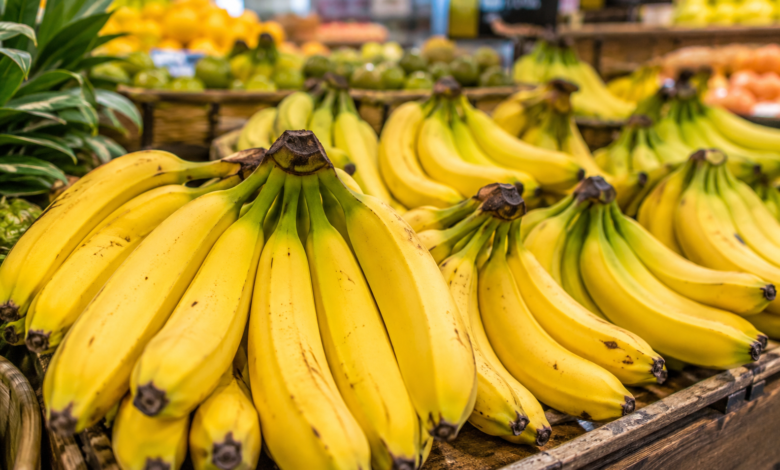
Meta description: Searching for the best Masaco banana near me? Discover freshness tips, nutrition facts, and smart buying advice from a produce expert.
Walking through a busy produce aisle or local fruit stand, bananas often get overlooked as “just another fruit.” But once you’ve tasted a properly ripened Masaco banana, picked at the right stage and stored correctly, you start to understand why so many shoppers go out of their way searching for the best Masaco banana near me instead of grabbing whatever bunch sits closest to the entrance. There’s a noticeable difference in texture, sweetness, and overall eating experience when you know what to look for.
I’ve spent years observing produce markets, talking to growers, and testing different banana varieties across local vendors and grocery chains. What stands out with Masaco bananas specifically is how much their quality depends on handling after harvest. Two bunches from the same farm can taste completely different depending on how they were transported, displayed, and sold. That’s exactly why this guide exists: to help you stop guessing and start buying with confidence.
What Makes Masaco Bananas Different From Other Varieties
Masaco bananas tend to have a slightly firmer bite than the typical supermarket banana, with a flavor profile that leans more aromatic and less watery. Many local growers favor this variety because it holds up well during short-distance transport, which means less bruising by the time it reaches your hands.
This durability is actually one reason people specifically search for the best Masaco banana near me rather than settling for generic imports. Locally sourced Masaco bananas usually spend less time in cold storage, preserving more of their natural sugars and aroma. The shorter the supply chain, the better the eating experience tends to be.
Texture-wise, a well-ripened Masaco banana should feel slightly soft but not mushy when gently pressed. The skin develops small brown speckles as natural sugars rise to the surface, which is actually a sign of peak ripeness rather than spoilage. Many shoppers mistakenly avoid spotted bananas, missing out on the sweetest stage of the fruit.
How to Judge Freshness at a Local Market or Store
Freshness indicators matter more than brand names or packaging when it comes to bananas. The first thing I check is the stem area. A fresh bunch should have a slightly moist, greenish stem rather than a dry, blackened one, which usually signals the fruit has been sitting too long.
Next, look at the overall color consistency across the bunch. Uneven ripening, where some bananas are deep yellow and others are still pale green, often means the batch was harvested or stored inconsistently. When you’re trying to find the best Masaco banana near me, a uniform color gradient across the bunch is a strong sign of proper handling from farm to shelf.
Smell is another underrated freshness cue. A ripe Masaco banana gives off a mild, sweet aroma even through the peel. If you notice a fermented or overly sour smell, that bunch has likely passed its prime and started breaking down internally, even if the skin still looks acceptable.
Texture testing should be gentle. Press lightly near the stem and at the tip. If either area feels unusually soft or shows signs of liquid pooling under the skin, the banana is overripe and best used for baking rather than fresh eating.
Nutritional Benefits That Make Masaco Bananas Worth Seeking Out
Bananas in general are known for their potassium content, but the nutritional value really shines when the fruit is eaten at the right ripeness stage. A medium Masaco banana typically provides a solid dose of potassium, supporting healthy blood pressure and muscle function, along with natural fiber that aids digestion.
Vitamin B6 is another standout nutrient, playing a role in brain function and mood regulation. This is part of why nutritionists often recommend bananas as a pre-workout or midday snack rather than processed alternatives loaded with added sugar.
What’s interesting about Masaco bananas specifically is how their natural sugar content shifts during ripening. Slightly green bananas contain more resistant starch, which behaves more like fiber and is gentler on blood sugar spikes. Fully ripe ones convert that starch into simple sugars, offering quicker energy but a sweeter, softer eating experience. Knowing this allows you to choose ripeness based on your personal health goals rather than just taste preference.
Antioxidant levels also tend to be higher in bananas that haven’t been chemically ripened or stored in extended cold conditions, which again ties back to why locally sourced fruit, the kind you find when searching the best Masaco banana near me, often delivers better nutritional value than long-haul imported batches.
Local Buying Considerations Worth Paying Attention To
Not all sellers handle bananas the same way, and this directly impacts what ends up in your kitchen. Farmers markets and small local grocers often rotate stock faster than large chain stores, simply because they buy in smaller quantities. Faster turnover generally means fresher fruit reaches your hands.
When comparing vendors, ask how often they receive new shipments. A seller who restocks Masaco bananas twice a week will almost always offer better quality than one who restocks every ten days, even if both display similar-looking bunches. This single question can save you from bringing home fruit that’s already halfway through its shelf life.
Price shouldn’t be the only deciding factor either. I’ve seen cases where the cheapest bunch at a market was priced low specifically because the seller needed to clear inventory before spoilage. If you’re genuinely trying to find the best Masaco banana near me, slightly higher prices at a market known for fast turnover often translate to noticeably better quality and longer usable shelf life at home.
Seasonal availability also plays a role. Depending on your region, Masaco bananas may be more abundant and fresher during certain months due to local harvest cycles. Asking vendors directly about peak season can help you time your purchases for the best possible flavor and texture.
Storage Methods That Actually Extend Freshness
Once you’ve found a quality bunch, proper storage becomes essential to avoid waste. Bananas release ethylene gas as they ripen, which speeds up the process for any fruit nearby. Keeping them separate from apples, avocados, or other ethylene-sensitive produce can slow down unwanted over-ripening.
Room temperature storage works best for bananas that haven’t reached your desired ripeness yet. Once they hit the perfect stage, moving them to the refrigerator can pause further ripening for several extra days. The peel may darken in the fridge, but the fruit inside stays fresh and usable, which surprises a lot of people who assume refrigeration always damages bananas.
Separating individual bananas from the bunch rather than leaving them clustered together also slows ripening slightly, since less ethylene gas accumulates around each piece. This small habit can extend usability by a day or two, which matters if you bought a larger bunch than you’ll eat immediately.
For bananas that are ripening too quickly, freezing peeled segments is a practical solution. They work well later in smoothies or baking recipes, reducing food waste while still capturing the nutritional benefits before spoilage sets in.
Understanding Consumer Buying Behavior and Market Trends
Shopper behavior around bananas has shifted noticeably over recent years. More consumers are prioritizing traceability, wanting to know where their fruit comes from and how it was handled before purchase. This trend explains the rising number of people specifically searching for the best Masaco banana near me rather than accepting whatever unlabeled bunch sits in a generic bin.
Local sourcing has become a deciding factor for many households, not just for taste but for supporting regional agriculture and reducing the environmental footprint tied to long-distance shipping. Vendors who clearly communicate sourcing information tend to build stronger repeat customer relationships, since trust plays a major role in produce purchasing decisions.
Price sensitivity still exists, but it’s increasingly balanced against quality expectations. Shoppers are willing to pay slightly more when they can visibly confirm freshness through color, firmness, and aroma rather than relying purely on marketing claims or packaging design.
There’s also a growing preference for smaller, more frequent purchases over bulk buying. This shift aligns with reducing household food waste, since buying exactly what you’ll consume within a week tends to result in less spoiled fruit ending up in the trash.
Expert Tips for Choosing the Right Bunch Every Time
When you’re standing in front of multiple bunches trying to decide, start by checking the base where the stems connect. This area shows the earliest signs of decay and tells you more about freshness than the visible curve of individual bananas.
Avoid bunches with visible bruising concentrated in one section, as this usually indicates impact damage during transport rather than natural ripening. Scattered minor marks are normal, but clustered dark patches suggest rough handling that may have affected internal texture even where the skin looks fine.
If you’re buying for immediate consumption, choose bananas with a few brown speckles already showing. If you’re planning to eat them across the week, select a mix of mostly yellow with slight green at the tips, allowing natural staggered ripening so you’re not stuck eating the entire bunch in one or two days.
Trust your nose as much as your eyes. Vendors who store bananas properly will have stock that smells fresh and mildly sweet rather than fermented or overly fragrant, which can indicate the early stages of internal breakdown.
Building a relationship with a trusted local seller pays off over time. Once you identify a vendor who consistently delivers quality, your search for the best Masaco banana near me essentially becomes a habit rather than a recurring challenge, saving time while ensuring better eating experiences with every purchase.
Common Questions About Buying Masaco Bananas Locally
How do I know if a Masaco banana is organically grown? Look for slightly uneven skin texture and smaller size compared to mass-produced bunches. Vendors who sell organic fruit are usually happy to share growing details, and that transparency itself is a good sign of trustworthiness.
Is it better to buy bananas green or already ripe? It depends on your timeline. Greener bananas give you a few extra days before they’re ready to eat, while spotted ones are perfect for immediate consumption. Buying a mix is often the smartest approach for a household.
Why do some Masaco bananas ripen faster than others, even from the same bunch? Position within the bunch affects ripening speed, since bananas closer to the stem receive more ethylene exposure. Slight bruising or handling differences during transport can also cause uneven ripening.
Can I still eat a banana with a few black spots? Yes, black spots usually just mean the fruit is very ripe and sweeter, not spoiled. The flesh is typically softer and works well for both eating fresh and baking.
How often should I buy bananas to avoid waste? Buying smaller quantities once or twice a week tends to work better than large bulk purchases, especially if your household doesn’t go through fruit quickly. This also keeps you closer to peak freshness with every batch.
Does refrigerating bananas actually ruin them? Refrigeration darkens the peel but doesn’t damage the fruit inside. It’s actually a useful technique once bananas reach your desired ripeness and you want to slow things down.
What’s the best way to compare local vendors before settling on one? Ask about restocking frequency, check the stem condition on display, and pay attention to overall bunch consistency. A seller who consistently meets these standards is usually your best long-term option when searching for the best Masaco banana near me.
Are slightly bruised bananas still worth buying at a discount? Minor surface bruising is fine for immediate use or baking, but heavily bruised fruit often spoils faster internally. It’s a reasonable trade-off only if you plan to use them within a day or two.
Final Thoughts on Choosing Quality Bananas Locally
Finding genuinely fresh, flavorful bananas isn’t about luck. It comes down to understanding freshness cues, knowing how storage and handling affect quality, and choosing vendors who prioritize fast turnover and proper care. Masaco bananas, when sourced correctly, offer a noticeably better eating experience compared to generic alternatives sitting too long in transit or storage.
Next time you’re out shopping and searching for the best Masaco banana near me, remember that the small details, stem color, skin texture, aroma, and vendor restocking habits, tell you far more than appearance alone ever could. Armed with this knowledge, you’re no longer just buying bananas. You’re making an informed choice that benefits your taste buds, your nutrition, and your overall satisfaction with every bunch you bring home.